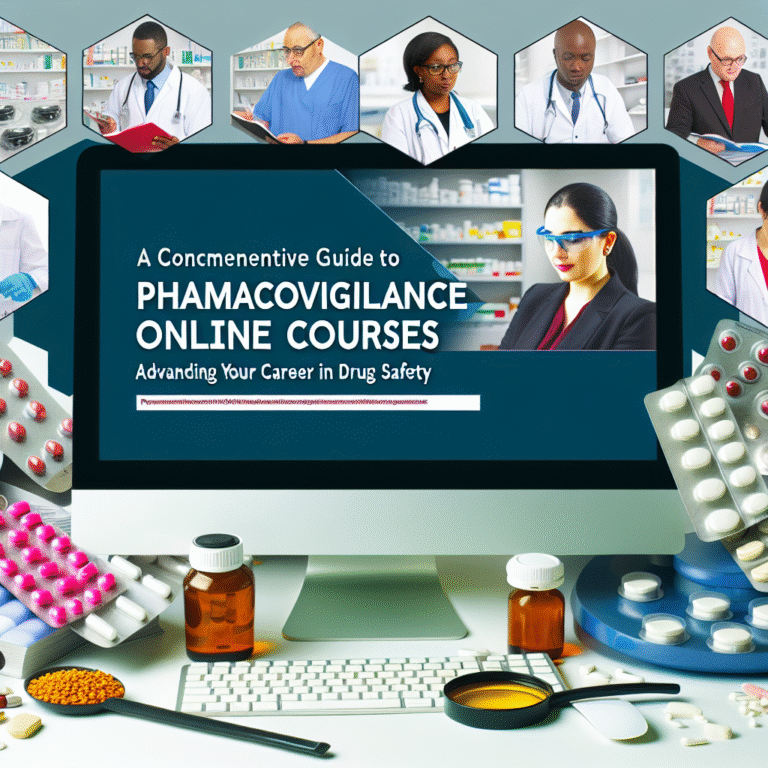
A Comprehensive Guide to Pharmacovigilance Careers: From Online Courses to Remote Job Opportunities
A Complete Guide to Pharmacovigilance Careers: From Online Classes to Working from Home
Introduction
Pharmacovigilance is super important in the healthcare world. It helps make sure medicines are safe once they’re out for people to use. This job is about watching for any side effects from medicines and making sure everything is okay. More and more medicines are coming out, and the rules about them are getting more complicated. So, pharmacovigilance is really huge right now. This guide will help you learn about a career in this field. We’ll cover everything from what to study to how you can work from home.
What is Pharmacovigilance?
Pharmacovigilance is all about keeping medicines safe. It involves checking for any bad reactions people might have when they take certain drugs. People who work in this field collect information about these reactions to help make medicines better and safer. It’s important because it protects health and makes sure that medicines follow all the rules.
In pharmacovigilance, some key jobs include:
1. Watching for and reporting bad reactions to drugs.
2. Evaluating risks and telling others what they find.
3. Making sure everything follows all the rules and guidelines.
How to Learn Pharmacovigilance
Undergraduate Degrees: If you want to get into pharmacovigilance, it’s good to have a degree in life sciences, pharmacy, or something similar. Programs like Biology, Chemistry, Biomedical Sciences, or Pharmacy are a great start.
Advanced Studies: You can specialize more with a Master’s degree or PhD in areas like Drug Safety, Pharmacology, or Public Health. These programs teach more about pharmacovigilance.
Certifications and Short Courses:
– Look for certifications like the Certificate in Drug Safety and Pharmacovigilance.
– Think about your goals; if you want to work in regulatory affairs, take courses about regulatory guidelines.
– Short courses from good organizations can update your learning and industry knowledge.
Best Online Classes for Pharmacovigilance
1. Coursera: Offers classes on “Drug Commercialization” and other special topics from top universities.
2. Udemy: Has easy and affordable courses like “Pharmacovigilance for Beginners.”
3. LinkedIn Learning: Offers courses that teach you how pharmacovigilance works in the business world.
4. edX: Features programs from top schools like Harvard and MIT.
5. FutureLearn: Provides short online courses focused on drugs and medicine.
6. DIA Learning: Offers training specifically for drug safety and pharmacovigilance.
7. PvPI e-Learning: Provides government-sponsored lessons about pharmacovigilance.
8. OpenWHO: Free courses about drug safety.
9. Certificate Programs: Options from the Drug Information Association (DIA) to boost your career.
10. MOOCs: Massive Open Online Courses provide flexible learning times and lots of information.
What Skills Do You Need in Pharmacovigilance?
To do well, people in pharmacovigilance need to have both technical and people skills:
– Technical Skills: Know how to use drug safety databases and understand what the rules are.
– Analytical Skills: Be good at looking at reports about drug reactions.
– Communication Skills: Report clearly and work well with healthcare and regulatory folks.
– Attention to Detail: Be spot-on with recording data and following rules.
– Problem-Solving Skills: Find and fix any safety issues.
– Regulatory Knowledge: Know the guidelines from people like the FDA and EMA.
– Interpersonal Skills: Work together well with others.
– Project Management: Handle many tasks at once efficiently.
– Data Management Skills: Know how to find and analyze data from systems.
– Scientific Literacy: Understand scientific research for your work.
Jobs in Pharmacovigilance
There are lots of job options in pharmacovigilance:
Entry-Level Positions: If you’re new, you might be a Drug Safety Associate or Pharmacovigilance Officer, helping with data and reports.
Mid-Level Roles: If you have more experience, you might be a Drug Safety Specialist or Risk Management Specialist, analyzing data.
Advanced Positions: You might become a Pharmacovigilance Manager or Director of Safety if you have lots of experience and leadership skills.
Other job roles include:
– Regulatory Affairs Specialist: Make sure reports and submissions follow rules.
– Quality Assurance Careers: Keep standards and compliance in the drug safety process.
– Consultant Roles: Provide advice about safety regulations.
– Pharmaceutical Companies: Work in drug development and safety monitoring departments.
– Contract Research Organizations (CRO): Focus on data collection and safety analyses.
– Academia: Participate in research or teach about drug safety.
– Government Agencies: Help with policy-making, regulatory compliance, and safety advocacy.
In summary, pharmacovigilance is a field filled with opportunities for those who want to make medicines safer. There are many ways to learn and different jobs to try, making it a promising career choice. By learning more about courses, building key skills, and looking for opportunities, you can help ensure safety and efficacy in healthcare products worldwide.